The first bite of wedding food can set the tone for your entire celebration and make a memorable wedding dining experience more than just a meal. Research shows that taste and smell are linked to memory formation in our brains, making delicious wedding food unforgettable. Your guests will remember how the food made them feel long after the ceremony ends.
You need to understand the psychology behind memorable dining when planning your wedding catering menus. A memorable dining experience engages all five senses and triggers emotional connections through familiar flavours. This piece explores what transforms an ordinary wedding dinner experience into the most memorable dining experience for your guests, perusing how memorable wedding food creates lasting impressions and brings people together during your celebration.
The Science Behind Why Wedding Food Creates Lasting Memories
Your nose houses hundreds of odour receptors that act like locks and wait for specific molecular keys. Aromas from wedding food bind to these receptors and electrical signals travel along olfactory sensory neurons to your brain’s olfactory bulb. Smell signals bypass your thalamus and go direct to the olfactory bulb, then to the amygdala and hippocampus. Sight, sound, and touch don’t work this way. This unique wiring reflects how important smell has been throughout our evolutionary history.
The amygdala processes emotions while the hippocampus stores and organises memories. These brain regions deem a smell important, especially if connected with an emotional moment, and can file the information and store it for good. Taste works with smell to deepen this effect. Most of what you call ‘taste’ is flavour, which combines taste processed by your tongue and smell through your nose.
Research shows that odour-cued memories are more emotional than memories triggered by visual or verbal cues. Autobiographical memories evoked by olfactory information often come from the first decade of life. Memories associated with visual cues peak in early adulthood. This explains why your grandmother’s recipe at your wedding dinner might transport guests back decades and create the most memorable dining experience they’ll have at your celebration.
What Makes a Wedding Dinner Experience Truly Unforgettable?
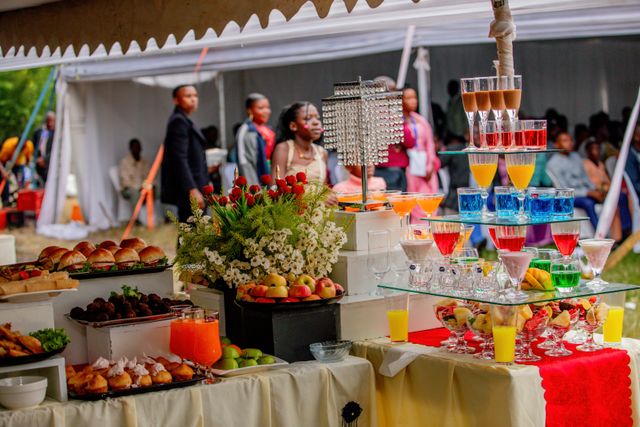
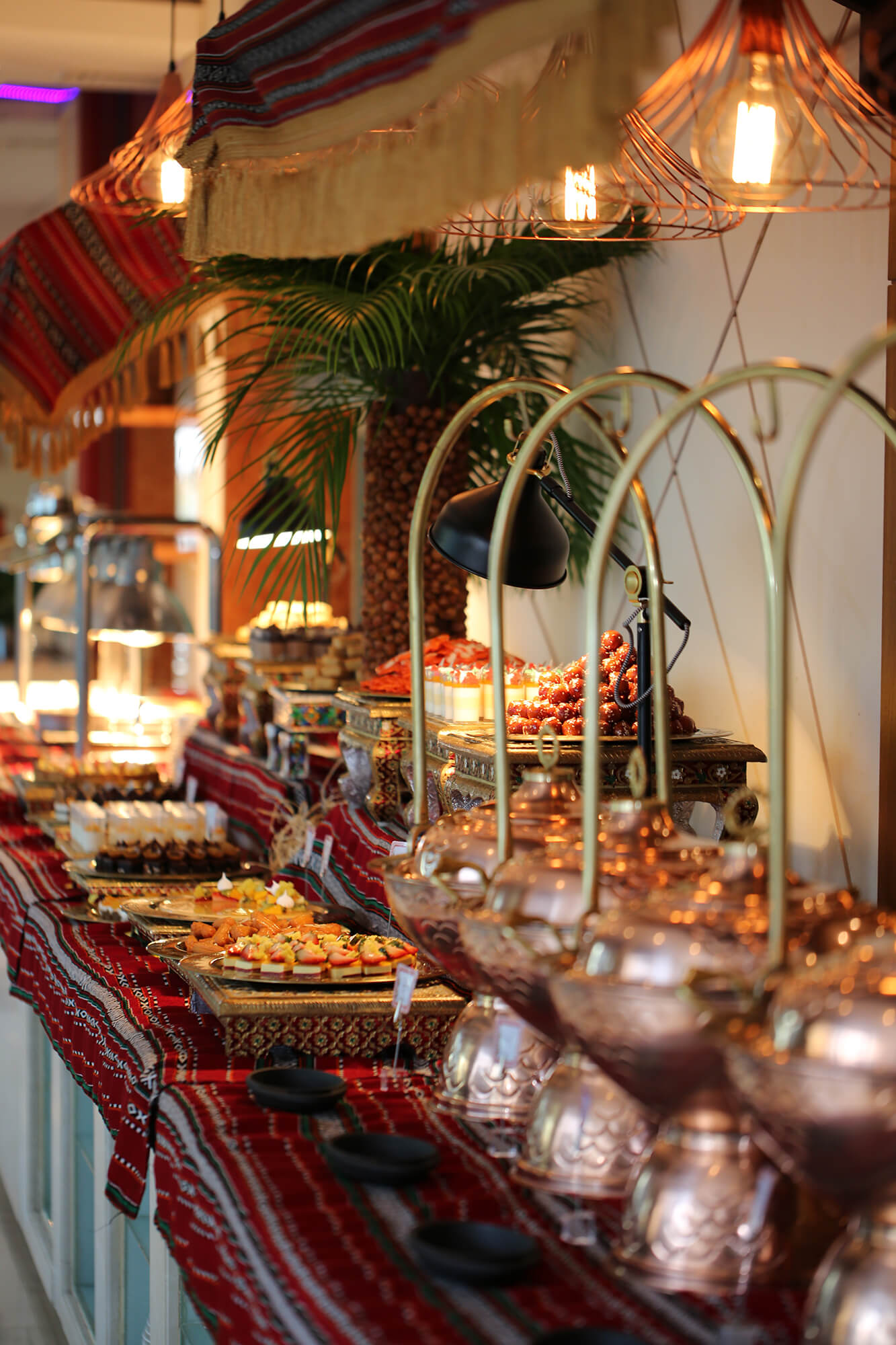
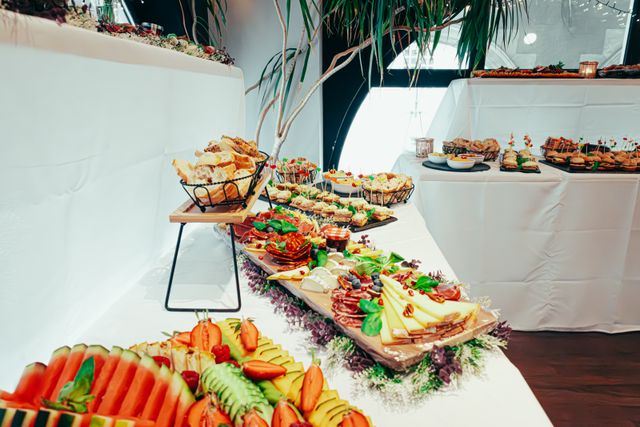
Interactive food stations transform passive dining into active participation and create memorable dining experiences for your guests. Unlike standard buffets, well-placed stations encourage mingling and exploration while allowing complete meal customization. Chefs toss fresh pasta in a giant parmesan wheel or roll sushi to order. This becomes entertainment itself, not just a meal. These stations accommodate dietary needs naturally, from vegan and gluten-free to nut-free options, without making anyone feel their meal was an afterthought.
Fresh, locally sourced ingredients raise your wedding catering menus beyond standard offerings. Seasonal produce harvested at peak ripeness delivers optimal flavour that processed alternatives cannot replicate. Dishes develop richness and balance without excessive seasoning when restaurants and caterers prioritise freshness. Presentation matters as much as taste in creating memorable wedding food. Visually appealing displays involve the senses before the first bite, while theatrical elements like flambéing or nitrogen freezing attract attention and spark conversation.
Personal touches add emotional depth to your wedding dinner experience. Family recipes honour past generations and share the flavours that shaped your life with those you hold dear. Each bite of a treasured family dish connects guests to your roots and transforms food from mere nourishment into an edible family heirloom.
How Does Food Bring People Together at Weddings?
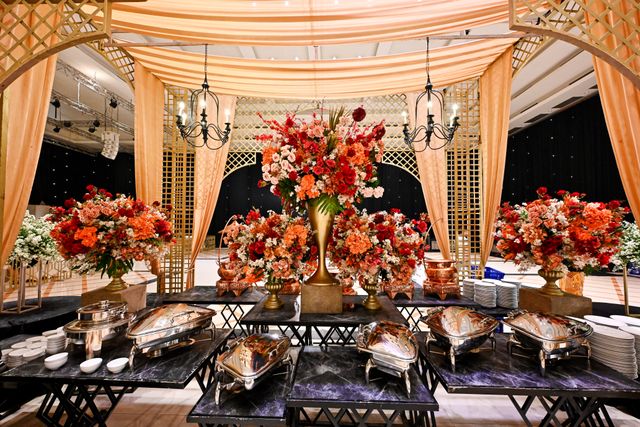
Sharing meals triggers your brain’s endorphin system, the same pharmacological mechanism that underpins bonded relationships in primates and humans. Group dining ramps up the endorphin effect like jogging together does, because synchronised activity increases endorphin output by a factor of two. This biochemical response explains why your wedding dinner experience becomes more than sustenance.
The same food at the same time as someone else makes them seem more trustworthy. Research found that people gave more money to someone they’d eaten the same candy with previously in an investment simulation. People who had eaten the same snacks were also quicker to reach a satisfactory end to a negotiation than people who hadn’t. Your wedding catering menus benefit from this psychological effect when guests share communal dishes.
Meal sharing is an exceptional indicator of subjective wellbeing, on par with income and unemployment. Those who share more meals with others report substantially higher levels of life satisfaction and positive affect, and lower levels of negative affect. Countries where people share more meals have higher levels of social support and positive reciprocity, and lower levels of loneliness. Family-style dining at weddings, where large platters encourage guests to pass dishes and serve themselves, stimulates conversation and creates a memorable dining experience through this communal act.
Key Takeaways
Understanding the psychology behind wedding dining helps you create an experience that guests will remember long after the celebration ends. Here’s what makes wedding food truly unforgettable:
- Taste and smell bypass normal brain pathways, linking directly to emotion and memory centres, making wedding food literally unforgettable through neurological connections.
- Interactive food stations and fresh, seasonal ingredients transform passive dining into engaging experiences that stimulate conversation and create lasting impressions.
- Sharing meals triggers endorphin release and increases trust between guests, making communal dining a powerful tool for bringing families together.
- Personal touches like family recipes add emotional depth, transforming food from mere sustenance into edible family heirlooms that honour your heritage.
- Multi-sensory experiences combining visual presentation, theatrical preparation, and quality ingredients create the most memorable dining moments at your celebration.
When planning your wedding, remember that investing in quality catering isn’t just about feeding guests—it’s about creating shared memories through the powerful combination of taste, emotion, and connection that only exceptional food can deliver.
Conclusion
Your wedding catering menus create more than satisfied appetites. The science is clear: memorable wedding food triggers emotional connections through scent and taste while it brings guests together through shared dining. Fresh ingredients, interactive stations and family recipes transform your celebration into an unforgettable sensory experience. The right caterer understands this psychology and crafts dining that guests will remember for years. This makes your investment in quality food one of your celebration’s most valuable decisions.
FAQs
Q1. What elements transform an ordinary wedding meal into a truly memorable dining experience?
A memorable wedding dining experience goes beyond the food itself. It combines fresh, high-quality ingredients with interactive food stations, personal touches like family recipes, and proper timing of courses. The atmosphere, presentation, and multi-sensory engagement all work together to create lasting impressions that guests will remember for years.
Q2. How does menu design influence what guests order at wedding receptions?
Menu psychology examines how design, wording, and layout affect dining choices. Effective menus make ordering feel easy and emotionally satisfying whilst subtly guiding guests toward certain options. Since most people spend less than two minutes reviewing menus, clear presentation and strategic placement of items significantly impact their selections.
Q3. Why do shared meals at weddings create stronger connections between guests?
Eating together triggers the brain’s endorphin system, the same mechanism that underpins bonded relationships. Sharing the same food simultaneously makes people seem more trustworthy and encourages cooperation. This communal dining experience naturally stimulates conversation and creates a sense of togetherness, particularly when family-style platters are passed around the table.
Q4. What role do scent and taste play in creating lasting wedding memories?
Smell and taste are uniquely linked to memory formation because scent signals travel directly to the brain’s emotional and memory centres. When aromas from food combine with emotional moments, they create powerful, long-lasting memories. Research shows that odour-triggered memories are more emotional than those evoked by visual or verbal cues, making delicious wedding food literally unforgettable.
Q5. How can couples personalise their wedding dining experience for guests?
Incorporating family recipes honours heritage whilst sharing meaningful flavours with loved ones. Interactive food stations allow customisation and accommodate various dietary needs seamlessly. Adding surprise elements, theatrical presentations, and culturally significant dishes transforms the meal from simple nourishment into an edible celebration of the couple’s story and background.