
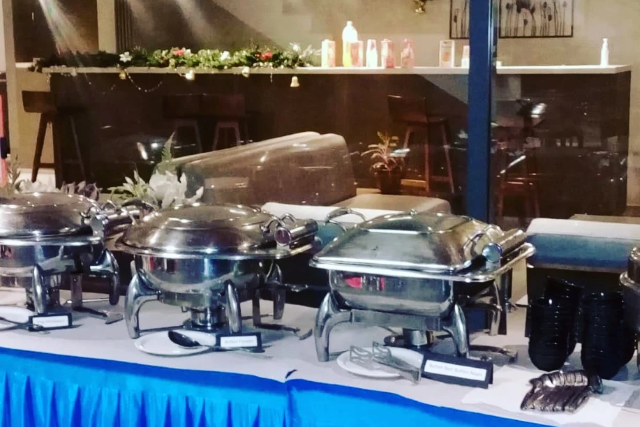
Caterers in Bangalore face a unique challenge: managing event timelines in one of India’s most competitive catering markets. Popular catering services often get booked months in advance, especially during peak wedding seasons and festival periods. Your event’s success depends on precise coordination, from the moment you book your caterer to the final cleanup.
You might be searching for good caterers in Bangalore for small parties or the best non-veg caterers in Bangalore for elaborate celebrations. Understanding how professional teams plan their timelines makes all the difference. Timeline management separates exceptional service from average ones, whether you choose vegetarian caterers in Bangalore or north indian caterers in Bangalore.
This piece shows you how Bhandary’s Kitchen structures event timelines to deliver exceptional experiences.
Understanding Event Timeline Planning for Caterers in Bangalore

What Makes Timeline Planning Critical for Events
Timing determines whether your event reflects professionalism or creates frustrating delays. A well-planned event that runs on schedule shows attention to detail and organizational competence. Catering coordination and execution directly affect every transition throughout your celebration, from guest arrival to final goodbyes. Meal services that are timed properly sustain attendee energy, attention and participation. Guests become distracted or fatigued when long periods pass without food, while meals that are timed poorly interrupt valuable networking opportunities or presentations. The best caterers in Bangalore analyze event schedules and attendee needs to position catering moments that refresh guests without disrupting the agenda’s natural rhythm.
How do Good Caterers in Bangalore Approach Timeline Management?
Good caterers in Bangalore create meticulous timelines detailing food preparation, setup, service and cleanup. These timelines integrate with your event’s master schedule smoothly and ensure synchronized activity flow. On-site management teams monitor event timing and coordinate with staff and other vendors for up-to-the-minute, flawless execution.
Teams that work backwards from the service start building timelines that prove highly effective. If food needs to reach the buffet by 7 PM, teams calculate when dishes must exit the oven, when they enter and when prep must begin. This backward planning helps spot gaps before they become problems on event day.
Clear communication channels increase team efficiency by 53% and overall effectiveness by 27%. Platforms that facilitate up-to-the-minute coordination keep everyone aligned on timing and expectations. Assigning roles through structured matrices helps teams perform 25% better and experience reduced workplace stress.
Key Factors That Influence Catering Timelines
Event size and type shape timeline requirements substantially. Small party caterers in Bangalore handle intimate gatherings differently than large-scale celebrations that require extensive preparation. Most caterers in Bangalore for small parties plan events weeks in advance, while major occasions need 4-8 months of preparation. Menu complexity affects preparation schedules. North indian caterers in Bangalore who manage multi-course meals require different timing than vegetarian caterers in Bangalore offering simpler menus. Best non-veg caterers in Bangalore often need extended prep periods for specialized dishes that require marination or slow cooking. Venue coordination plays a significant role. Non-veg caterers in Bangalore must align kitchen setup times with venue access, work around other vendor schedules and adapt to space constraints. Equipment logistics, staff availability and ingredient sourcing timelines all influence when preparation can begin and how service flows during the event.
Pre-Event Planning Phase: Booking to Menu Finalization
Original Consultation and Event Assessment
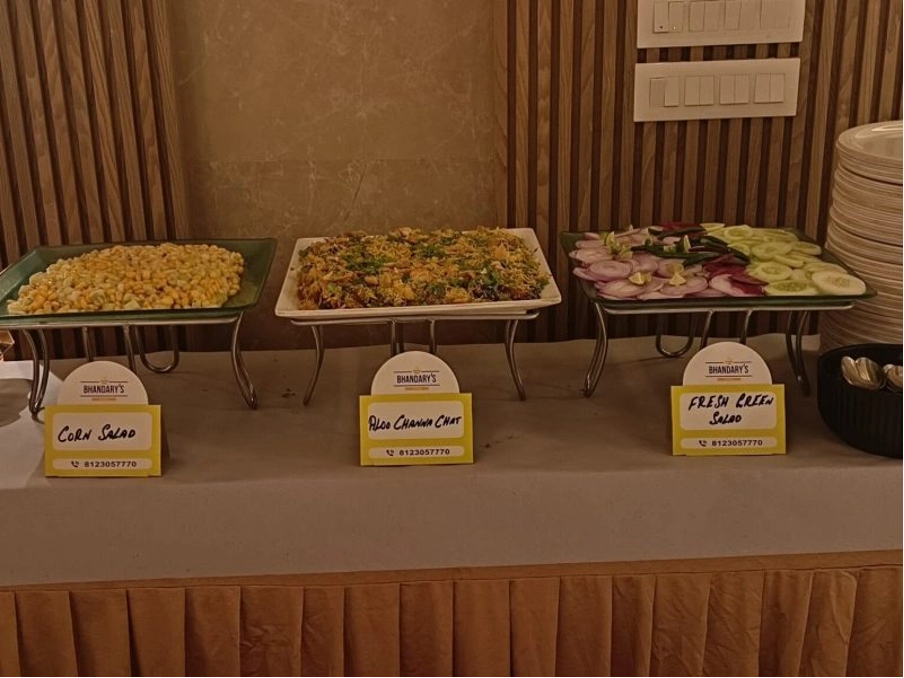
Planning begins 9-12 months before large events, though smaller gatherings require less lead time. Caterers in Bangalore gather complete information during original consultations covering event type, date, duration, guest count, venue details, and budget constraints. Good caterers in Bangalore ask questions about attendee demographics, food priorities, and dietary restrictions to line up service offerings with client expectations.
Transparent budget discussions prevent surprises and guide all planning decisions that follow. Best caterers in Bangalore establish clear financial parameters upfront. These cover service charges, gratuity policies, overtime fees, and guest count change policies. This financial framework shapes menu possibilities and service style selection.
Menu Selection and Customization Process
Menu customization follows a shared approach between clients and caterers. Small party caterers in Bangalore typically require minimum guest counts of 15 to make custom preparation viable. The process includes client interviews to understand cuisine priorities, dietary needs, and event themes. Tasting sessions for larger events come next.
Seasonal ingredient availability influences menu options by a lot. Caterers in Bangalore for small parties who source locally reduce costs and improve quality. They build menus around seasonally available produce. Menu finalization deadlines typically fall 2-4 weeks before events.
Coordinating with Venue and Other Vendors
Venue coordination requires scheduling pre-event site visits at least one month prior. Non-veg caterers in Bangalore assess kitchen facilities, storage space, electrical requirements, loading dock access, and layout constraints during these visits. Master timelines that accommodate all vendor setup, execution, and breakdown needs prevent conflicts.
Ingredient Sourcing and Supplier Coordination
North indian caterers in Bangalore establish relationships with reliable suppliers and confirm delivery schedules ahead of time. Ingredients purchased the day before events ensure freshness. Locally sourced produce arrives at peak ripeness and offers superior flavor and nutritional value compared to items transported long distances.
Staff Assignment and Role Distribution
Staffing ratios vary by service style. Plated dinners require 1 server per 20 guests, while buffet service needs 1 per 30 guests. Vegetarian caterers in Bangalore assign roles based on individual strengths and experience levels.
Equipment and Logistics Planning
Best non-veg caterers in Bangalore create equipment lists covering serving dishes, chafing dishes, utensils, and portable equipment. Teams decide between owning versus renting based on usage frequency and storage capacity.
Event Day Setup and Execution Timeline
Morning Preparation and Kitchen Setup
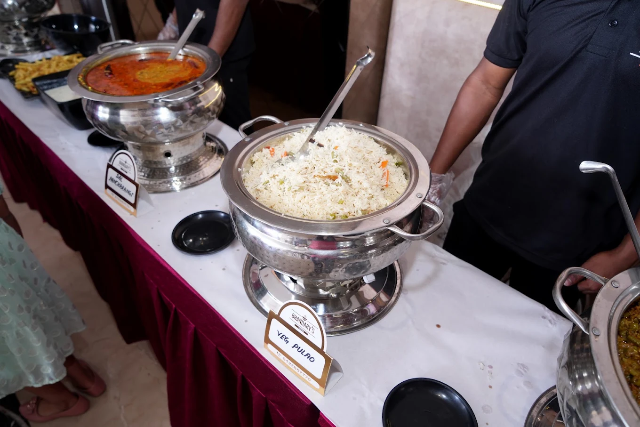
Event day begins with systematic kitchen preparation hours before guest arrival. Staff check refrigeration units and ovens for temperature first, then prepare food with priority on items that need longer cooking times. Equipment loading follows a reverse-order strategy where items needed first at the venue get packed last for easy access upon arrival. Staff members arrive for quick briefings that review the day’s schedule, confirm individual responsibilities and address last-minute changes.
Venue Arrival and Setup Procedures
Staff position cooking stations with proper ventilation and establish temperature-controlled storage zones and handwashing stations. Teams create clear staff movement paths to minimize cross-traffic during service. Radios or mobile devices connect kitchen staff, service teams and event coordinators through communication channels. Detailed briefings occur 30-45 minutes before service starts and cover event structure, timing, guest needs and zone assignments.
Food Preparation and Quality Checks
Staff monitor holding temperatures constantly to keep hot food above 135°F and cold items below 41°F. Presentation standards demand live enforcement, with improperly plated dishes returned right away. Staff rotate items on a regular basis and replace serving utensils to maintain quality.
Service Coordination and Guest Management
Service staff maintain eye contact, use guests’ names when possible and respond to requests without delay. Staff monitor the floor without interruption to catch developing issues early. Clear communication protocols and enabled staff decision-making allow quick problem resolution.
Post-Event Cleanup and Wrap-Up Process
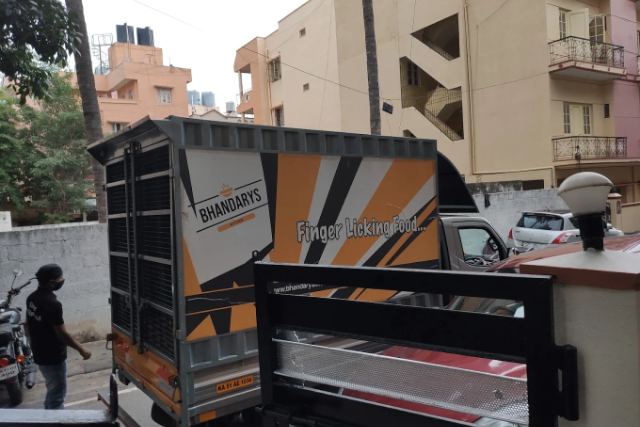
The cleanup phase reveals your caterer’s true professionalism. Systematic breakdown procedures begin once guests depart and reshape the event space back to its original state while food safety standards and operational efficiency are maintained.
Immediate Cleanup and Food Handling
Safety guidelines require immediate attention to leftover food. Hot food left over after service should be disposed of. Items being saved must be labeled with dates and stored at appropriate temperatures. Any leftover foods left out for more than 2 hours at room temperature become unsafe and require disposal. Food kept above 140°F or below 40°F can be stored in shallow containers and refrigerated.
Equipment Breakdown and Transportation
Cleaning equipment happens before packing to prevent contamination and damage. Each item gets checked against inventory lists to ensure nothing remains at the venue. Teams clean and sanitize all equipment, pack items into storage containers, and note damaged pieces. Equipment longevity and readiness for upcoming events are maintained through this systematic approach.
Venue Restoration and Final Checks
Good caterers in Bangalore return venues to original condition through proper waste disposal and thorough surface cleaning. Photographs of the cleaned space document professional standards. Floors receive final attention, tables and staging return to agreed layouts, and back-of-house areas get cleared. Visual checks of all areas confirm floors are dry, waste is removed, and layouts match pre-event conditions.
Post-Event Documentation and Client Feedback
Complete inventory assessments follow every event and note items needing repair or replacement while actual food costs are calculated against estimates. Financial reconciliation reviews all expenses against budgets and includes unexpected costs. Best caterers in Bangalore reach out to clients within 24-48 hours to gather feedback. Event documentation captures what worked well and the challenges encountered. Staff performance evaluations provide constructive feedback and acknowledge excellent work while addressing improvement areas.
Key Takeaways
Professional event catering success hinges on meticulous timeline management across three critical phases: pre-event planning, day-of execution, and post-event cleanup.
- Book early and plan backwards: Large events require 9-12 months’ advance booking, with caterers working backwards from service time to ensure flawless coordination and prevent last-minute issues.
- Communication drives efficiency: Clear communication channels boost team efficiency by 53% and overall effectiveness by 27%, making real-time coordination essential for seamless service.
- Food safety is non-negotiable: Hot foods must stay above 135°F, cold items below 41°F, and any leftovers at room temperature for over 2 hours require immediate disposal.
- Staffing ratios matter: Plated dinners need 1 server per 20 guests while buffet service requires 1 per 30 guests to maintain quality service standards.
- Post-event professionalism counts: The best caterers document everything, reach out for feedback within 24-48 hours, and restore venues to original condition with photographic proof.
The difference between average and exceptional catering lies in systematic planning, precise execution, and attention to detail throughout every timeline phase. Professional caterers who master these elements transform events from merely functional to truly memorable experiences.
Conclusion
Right now, you understand how professional caterers manage event timelines. Successful catering depends on careful planning and precise execution. Choosing caterers who prioritize timeline management will give your event a smooth run, whether you’re planning a small gathering or a large celebration. Note that the difference between good and exceptional catering service lies in the details. Select professionals who demonstrate systematic planning and clear communication throughout every phase.
FAQs
Q1. What makes timeline planning so important for catering events?
Timeline planning ensures your event runs smoothly without delays or disruptions. Properly timed meal services keep guests energized and engaged, while coordinated schedules allow seamless transitions between different parts of your celebration. Professional timeline management prevents food service from interrupting important moments like speeches or presentations.
Q2. How far in advance should I book catering services in Bangalore?
For large events, booking 9-12 months in advance is recommended, especially during peak wedding and festival seasons. Smaller gatherings typically require less lead time, but popular catering services often get booked months ahead. Menu finalization usually happens 2-4 weeks before the event date.
Q3. What happens during the initial consultation with a caterer?
During the initial consultation, caterers gather comprehensive information about your event including the date, guest count, venue details, budget, and food preferences. They discuss dietary restrictions, service style options, and establish clear financial parameters. This meeting helps align the catering service with your specific expectations and requirements.
Q4. How do caterers maintain food safety during events?
Professional caterers monitor food temperatures constantly, keeping hot items above 135°F and cold items below 41°F. They use temperature-controlled storage, regularly rotate dishes, and follow strict sanitation protocols. All leftover food is handled according to safety guidelines, with items left out more than 2 hours being properly disposed of.
Q5. What does post-event cleanup include?
Post-event cleanup involves immediate food handling and disposal according to safety standards, equipment breakdown and cleaning, and complete venue restoration. Caterers document the cleaned space, conduct inventory checks, and typically reach out within 24-48 hours to gather client feedback and complete financial reconciliation.