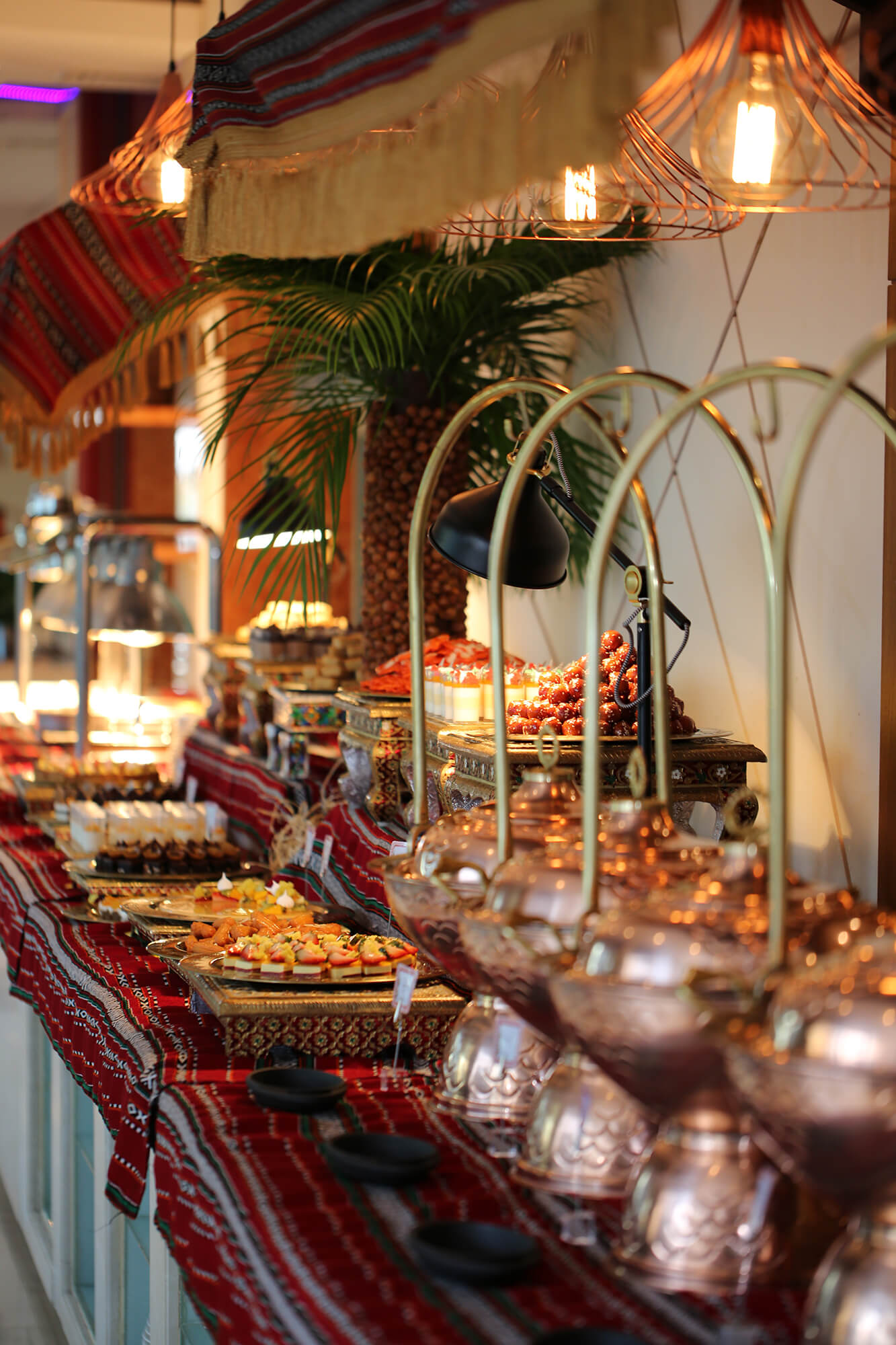
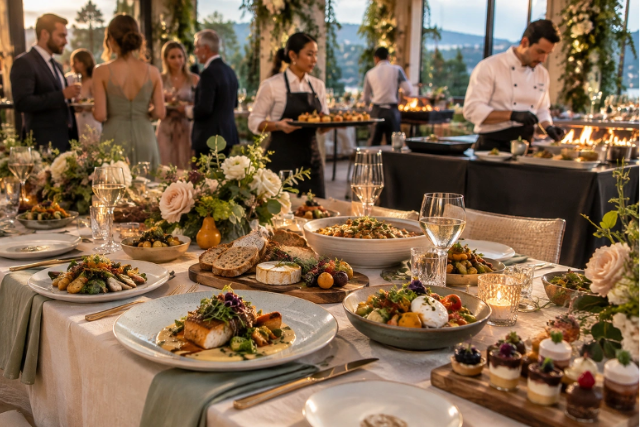
Choosing the perfect wedding menu is no longer just about filling plates. It is about creating an experience that guests remember long after the final course. Couples in 2025 want food that feels thoughtful, interactive, and personal instead of standard buffet fare. In fact, live stations, fusion dishes, and seasonal spreads are changing wedding reception food.
Wedding menus now range from classic Indian spreads to simple, rustic, and fully vegetarian options. Each choice can reflect a couple’s culture, budget, and personality. We’ve curated twelve distinct wedding food menu styles with starters, mains, desserts, and practical dietary adaptations to help you create a wedding meal that guests will remember.
1. Classic Wedding Menu
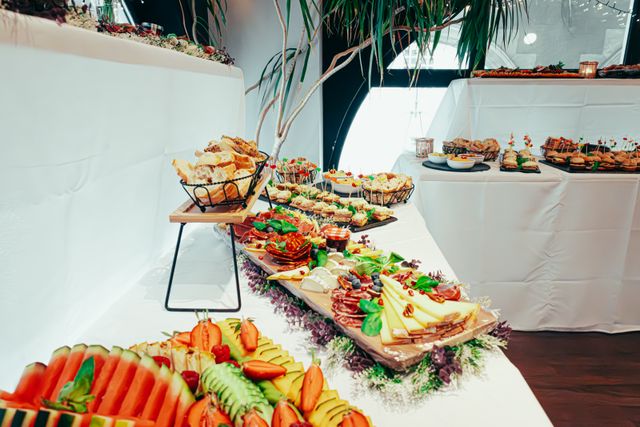
A classic wedding menu is the standard for judging most other wedding food styles because it gives guests exactly what they expect from a traditional wedding breakfast.
Classic Wedding Menu: Sample Starters, Mains and Desserts
When planning a classic wedding menu, I start with familiar starters such as prawn cocktail, bruschetta, or warm soup. Mains may include roast chicken, beef Wellington, or salmon fillet. A traditional wedding cake works well with vanilla cheesecake or fruit tarts for dessert. This format follows the usual plated meal structure, with appetisers and a salad course before the plated entrée. The wedding cake and other desserts follow. The meal usually includes two courses, an appetiser and an entrée. Couples can also choose to have dessert served at the table.
Classic Wedding Menu: Ideal Celebrations, Presentation and Service
This style works especially well for upscale weddings, black-tie events, and ballroom receptions. Wait staff serve guests much like they would in a restaurant. Guests make their choices beforehand, so the team knows what to bring to each table. This approach creates a formal tone and gives couples greater control over the look and feel of the wedding reception food. Presentation matters, so each dish arrives carefully arranged and adds to the dining experience. A three-course classic wedding menu generally takes around two hours to serve and finish. Servers usually leave seven to ten minutes between courses. Caterers at larger Indian weddings, such as Bhandarys Kitchen, can manage this easily with roughly one staff member for every ten to fifteen guests.
Classic Wedding Menu: Budget and Dietary Adaptations
A plated classic wedding menu can be budget-friendly because portions are controlled and quantities are set in advance. Service fees may be higher, however, because formal plating and table service require more labour. This format also needs more serving staff than casual styles, which may increase costs. Couples often provide the same entrée with a vegetarian alternative. They may also offer a short menu or ask guests to preselect their meals through their RSVPs. I always recommend that couples include space on the RSVP card so guests can note dietary requirements well before the big day.
2. Formal Wedding Menu
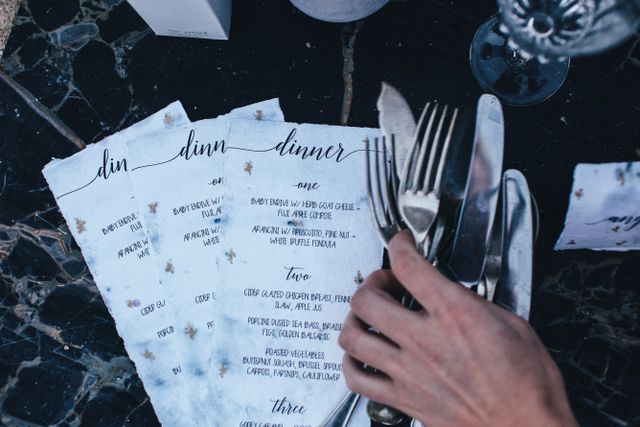
A formal wedding menu takes the classic structure further and draws more from fine dining than a traditional restaurant setting.
Formal Wedding Menu: Sample Starters, Mains and Desserts
A formal wedding menu has an elegant, luxurious spread of premium dishes that you would expect at a high-end restaurant rather than a standard wedding breakfast. Starters often feature bisque, smoked salmon mousse, or caviar, while mains lean towards Wagyu beef, veal, or lobster tail. Desserts follow the same style, with soufflé, petit fours, or a filled chocolate cylinder to close the meal. An Indian wedding menu list in this style can pair premium elements with wild mushroom velouté finished with truffle cream and chive oil. Roasted chicken breast with cherry jus and dauphinoise potato, or pan-seared sea bass with saffron risotto, can follow before vanilla crème brûlée with seasonal berry compote completes the meal.
Formal Wedding Menu: Ideal Celebrations, Presentation and Service
This format is a table-service wedding breakfast where waiting staff serve guests much like they would in a restaurant. Guests make their choices in advance, so the team knows what to bring to each table. A sizeable team is needed, which can get pricey, but it creates the formal atmosphere many couples want for this part of the day. Formal menus use full course names, complete dish titles, and a traditional header structure. The language stays precise and neutral throughout. Plated dinner service at this level places an individual menu card at every setting, which adds a refined touch and welcomes each guest personally. A reception with a curated wine list can include an inline wine note for each course, such as a Pouilly-Fumé with a scallop starter or a Barossa Valley Shiraz with braised beef short rib. Caterers such as Bhandarys Kitchen often use this rhythm for Indian wedding food menu briefs, serving each course in sequence to maintain the formal pace guests expect.
Formal Wedding Menu: Budget and Dietary Adaptations
Staffing needs place a formal wedding reception menu list above most other styles in cost. Letter-based symbols work best for dietary requirements: V for vegetarian, VE for vegan, GF for gluten free, DF for dairy free, and N for nuts. Place these directly after each dish name, with a small legend at the bottom of the card. Guests with severe allergies should speak with the catering team rather than rely on a list of every trace ingredient.
3. Simple Wedding Menu
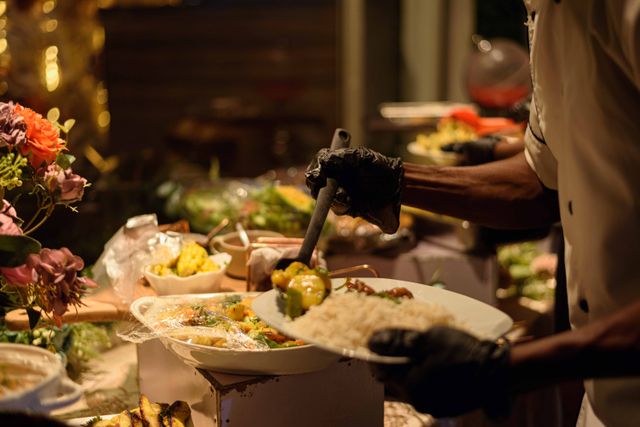
A simple wedding menu keeps the focus on the essentials. It favours a small, well-chosen selection over a sprawling spread, and guests often enjoy it more than an overstuffed buffet.
Simple Wedding Menu: Sample Dishes
An essential-tier Indian wedding menu typically includes one welcome drink, two starters, one paneer dish with a dal and vegetable curry, phulka, two rice options, two desserts, and philtre coffee at the end of the meal. This lean format avoids repetition and lets every dish stand out instead of getting lost among competing flavours. Caterers often find that a well-curated menu with five or six dishes impresses guests more than a lavish spread that tries to do too much. Two well-made starters can work better than ten options that blur together. A paneer tikka and chaat counter, followed by one gravy dish and one dry preparation, can feel complete.
Simple Wedding Menu: Ideal Celebrations, Presentation and Service
This style works well for family weddings, intimate gatherings, and daytime functions where warmth matters more than spectacle. Buffet setups usually cost less than plated meals because they require fewer serving staff and less floor coordination. Brunch and lunch receptions can cost 30% to 50% less than dinner events, making a simple wedding menu a natural choice for a morning muhurtham lunch or afternoon reception. Caterers such as Bhandarys Kitchen often recommend this format for smaller guest counts. A tighter menu can still feel generous without live counters or the multi-course pacing of a grand wedding reception menu.
Simple Wedding Menu: Budget and Dietary Adaptations
A budget buffet with herb-roasted chicken or a vegetarian alternative, pasta with seasonal vegetables, and bread typically costs between INR 4,640.92 and INR 6,328.53 per person. Two protein choices, one meat and one vegetarian option, keep waste and costs low. Three or more choices rarely add enough value to justify the extra spend. Plates can include generous portions of rice and bread, with roasted vegetables, while protein remains the highlight instead of the bulk of the meal. Seasonal, locally sourced ingredients can reduce costs further and keep flavours fresher than ingredients shipped from elsewhere.
4. Casual Wedding Menu
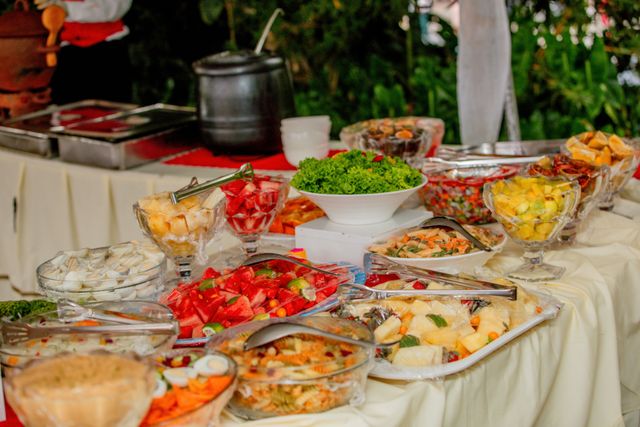
A casual wedding menu trades formality for comfort, with dishes that encourage guests to chat and mingle instead of sitting through a stiff multi-course meal. This relaxed dining style focuses on fun, eye-catching plates and comfort food. It suits an informal setting where a little mess is no concern.
Casual Wedding Menu: Sample Starters, Mains and Desserts
Starter options include sliders, a charcuterie board and spring rolls, while hog roast, pasta and grilled chicken are reliable mains that feed a crowd without fuss. Desserts can stay just as relaxed, with cupcakes, cookies and brownies replacing a formal tiered cake. Playful extras such as steamed bao buns, bratwurst with beer flights or a chips and salsa station can also kick off the cocktail hour. Deviled eggs, mini grilled cheese with tomato soup and portable French fries make great handheld bites, so guests can continue mingling rather than stay at a table.
Casual Wedding Menu: Ideal Celebrations, Presentation and Service
This style works well for backyard weddings, outdoor celebrations and receptions where couples want guests to move around instead of sit at assigned tables. A buffet suits this menu because it offers an informal way to serve food, gives guests plenty of choice and lets couples take home and freeze leftovers afterwards. Food trucks provide another option for a casual wedding reception menu list. They add a fun, modern feel, although costs can rise quickly and bad weather may cause problems. Self-service stations and buffet lines need about one staff member per twenty-five guests to keep queues moving without long waits.
Casual Wedding Menu: Budget and Dietary Adaptations
Buffets generally cost ten to thirty percent more than plated dinners because couples need several dishes and cannot predict the exact portions guests will eat. Staffing costs are about twenty percent lower than for plated or family-style service. Sliders, pasta, pizza and fruit skewers also work well for children, so younger guests at an Indian wedding menu list do not feel left out. Bhandarys Kitchen often creates casual Indian wedding food menus around these same ideas, using familiar comfort dishes and interactive counters that keep the reception relaxed.
5. Rustic Wedding Menu
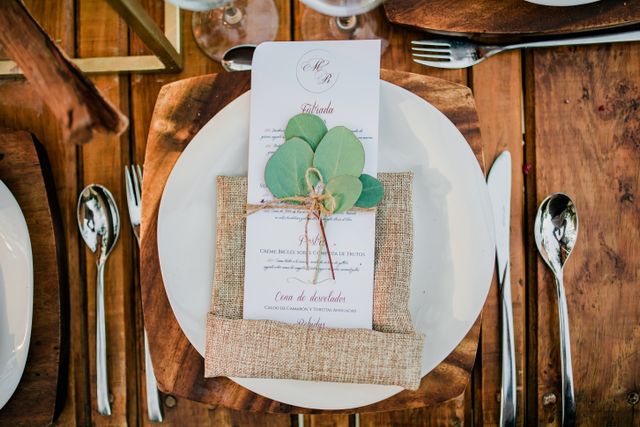
A rustic wedding menu takes its character from the land, with dishes that reflect the season and soil instead of ingredients flown in from elsewhere.
Rustic Wedding Menu: Sample Starters, Mains and Desserts
Autumn offers the richest take on this style. Starters such as butternut squash soup, apple and walnut salad, or stuffed mushrooms set a warm tone before the meal begins. Mains often feature roast pork with apple chutney, beef stew, or wild mushroom risotto, with roasted root vegetables, Brussels sprouts with bacon, or creamy mashed potato on the side. Desserts remain hearty, with pumpkin pie, apple crisp, or spiced pear tart to finish the meal. Heirloom tomatoes with cold-pressed oils and garden-fresh basil bring the same farm-table spirit to warmer months, while slow-roasted parsnips, carrots, and beetroot caramelised over a wood fire add depth when the weather cools.
Rustic Wedding Menu: Ideal Celebrations, Presentation and Service
Barn weddings and countryside receptions suit this style, especially when the venue’s timber and stone architecture reflects the food on the table. Family-style service works well, with large platters passed between guests, and it can turn strangers into friends at the table while reducing portion waste. High-output kitchens with precise cooking equipment also matter because proteins seared minutes before service and vegetables kept out of transport vans hold far more texture and colour than food reheated on-site.
Rustic Wedding Menu: Budget and Dietary Adaptations
Family-style dining typically costs between INR 4,219.02 and INR 7,172.34 per person, which offers a reasonable middle ground for a generous shared meal. Seasonal ingredients can reduce costs because produce picked at its peak costs less than imported alternatives. Vegetarian, vegan, and gluten-free options also help every guest feel included at the table.
6. Comfort Food Wedding Menu
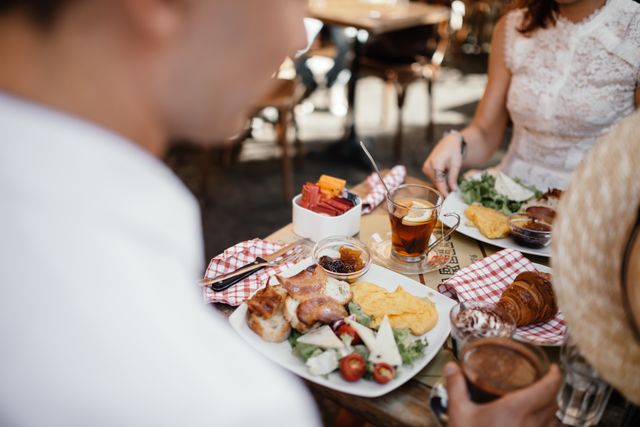
A comfort food wedding menu draws on nostalgia and takes inspiration from home-cooked meals instead of restaurant-style plating. Guests often respond with genuine warmth.
Comfort Food Wedding Menu: Sample Starters, Mains and Desserts
I usually start with ham and cheese biscuits, maybe flavoured with sweet potato or finished with edible flowers. A cup of clam chowder suits winter receptions, offering something warm and satisfying without leaving guests too full before the main course. Mains take their cue from potluck cooking, with corn on the cob, mac and cheese, and creamy mashed potatoes topped with cheese, bacon or chives. Classic fried chicken also works well, as does chicken and waffles with a drizzle of syrup. Meatballs made with beef, pork, chicken or lamb can serve as a starter or buffet centrepiece. A pasta station also lets guests create their own plates with their preferred sauces and proteins. A warm fruit cobbler with ice cream or a simple plate of cookies and milk ends the meal on a familiar, comforting note.
Comfort Food Wedding Menu: Ideal Celebrations, Presentation and Service
This style suits backyard receptions, relaxed gatherings, and weddings where the couple wants food that feels like home instead of a formal affair. A buffet or family-style service best supports the atmosphere and echoes a potluck gathering, even if no one brings a dish from home. Bhandarys Kitchen creates comfort-focused Indian wedding spreads with slow-cooked dal and creamy paneer dishes. These options give an Indian wedding menu list the same homely feel that fried chicken or mac and cheese brings to a Western reception.
Comfort Food Wedding Menu: Budget and Dietary Adaptations
Local grilled vegetables and seasonal fruit for the cobbler keep the menu affordable and improve flavour. Vegan meatballs ensure guests with dietary restrictions can enjoy the comfort food experience too.
7. Modern Wedding Menu
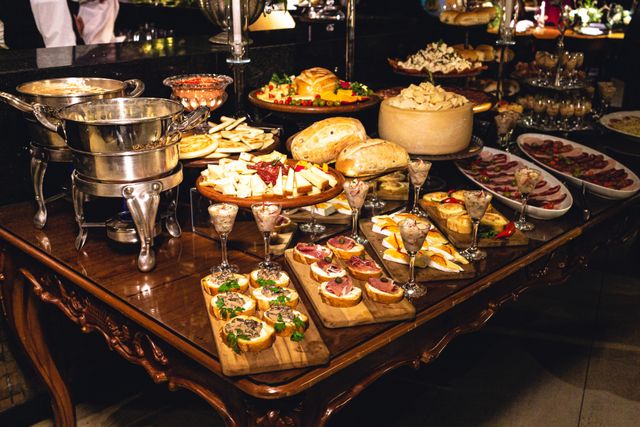
A modern wedding menu moves away from a single serving line, with several counters placed around the venue. Guests can wander, taste different dishes, and mingle instead of waiting in line for a fixed plate.
Modern Wedding Menu: Sample Starters, Mains and Desserts
I like creating an Italian station with penne or fusilli tossed to order in Alfredo, Arrabbiata, or pesto sauce. It pairs well with a sushi station that serves creative rolls, sashimi, and steamed dumplings. A taco or fajita bar works nicely with a carving station, while a mac and cheese bar or slider station adds a playful touch without seeming out of place on this type of wedding reception menu list. A crepe station with Nutella, banana, or strawberries makes a great dessert option. I would lean towards ice cream made fresh on the spot with nitrogen for a surprise that guests will remember.
Modern Wedding Menu: Ideal Celebrations, Presentation and Service
This format suits modern weddings, food-loving couples, and receptions that focus on socialising rather than fixed seating. Stations create movement and energy and encourage guests to explore different culinary experiences instead of sitting through a rigid sequence of courses. Each counter can reflect the couple’s personality while remaining upscale and approachable. Layout matters here. Compact indoor halls can accommodate only two or three stations, while an outdoor lawn can hold five or six counters with enough space for guests to move around comfortably. Quick dishes work best at live cooking stations because pasta and dumplings take only a minute or two. Wood-fired pizza can take five to eight minutes, which may create long queues at one counter.
Modern Wedding Menu: Budget and Dietary Adaptations
Food stations typically cost between INR 4,640.92 and INR 8,016.14 per person because each counter needs extra staff. Many couples pair stations with a late-night snack counter or an interactive dessert display. This approach combines structured dining with the lively atmosphere guests expect from a modern wedding food menu. Bhandarys Kitchen often creates Indian wedding menu lists around this format, with live counters and a smaller core buffet to maintain balance.
8. Unique Wedding Menu
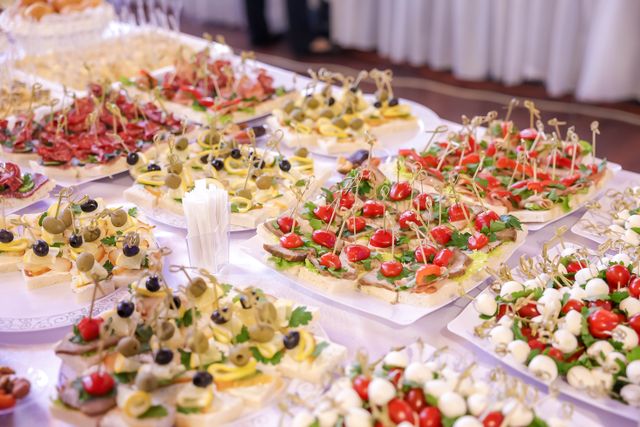
Guests who’ve attended dozens of weddings remember the receptions where the menu offered something they had never tried before. A unique wedding menu aims to create that kind of lasting impression.
Unique Wedding Menu: Sample Starters, Mains and Desserts
I like to start with wontons in miniature to-go boxes. Gazpacho shooters offer a chilled option for a summer celebration, while caviar canapés suit couples who want a touch of luxury. Crab cake bites and beef tartare work well as small plates at a cocktail-style reception, and seared scallops fit the format too. Caterers can cook paella live in a large pan, which brings real theatre to a sit-down meal. A poke bowl bar allows guests to build their own plates, and teriyaki noodles add bold flavour without fuss. Panna cotta and macarons feel elegant for dessert, while a savoury donut bar or charcuterie cones can give guests something they genuinely have not seen before.
Unique Wedding Menu: Ideal Celebrations, Presentation and Service
This approach suits foodie couples who want their reception food to reflect their personality instead of tradition. Edible flowers on salads or desserts create a striking visual detail, and a custom signature cocktail based on the couple’s love story adds a personal touch. Presentation matters here. Creative plating and unusual serving dishes can turn each course into a talking point instead of just a meal.
Unique Wedding Menu: Budget and Dietary Adaptations
A vegan or inclusive version can work just as well. It may pair cold cucumber and avocado soup with pumpkin-stuffed ravioli, followed by a red fruit cheesecake. Always request a tasting beforehand and confirm that the caterer can accommodate allergies, cultural priorities, and specific dietary requests before finalising the wedding food menu.
9. Themed Wedding Menu
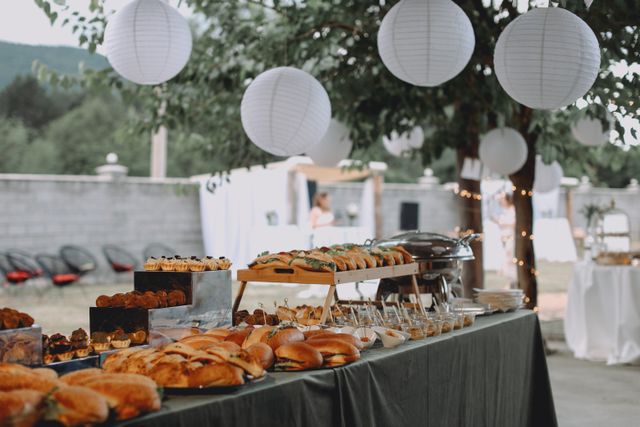
A wedding menu built around a theme can make the reception memorable long after the cake is cut. Each dish can reflect the couple’s story and bring the celebration together.
Themed Wedding Menu: Sample Starters, Mains and Desserts
A royal palace theme suits rich Mughlai desserts such as Shahi Tukda, Malpua with Rabri, and saffron-infused Kheer. A relaxed beachside celebration works well with chilled Kulfi, Falooda, or Mango Shrikhand. The colour scheme can also shape the dessert selection, with rose-petal Gulab Jamuns adding to a romantic palette. An American Fourth of July theme can feature rustic strawberry shortcake trifles in mason jars. A taco and tunes theme pairs well with churros or chocolate taco ice cream.
Themed Wedding Menu: Ideal Celebrations, Presentation and Service
Themed menus work well for couples who want an immersive experience that reflects a distinct aesthetic. The style may range from boho-chic or tropical to heritage-inspired. Bhandarys Kitchen often creates Indian wedding menu lists around this idea, pairing desserts and mains with colour schemes and cultural motifs instead of treating food as an afterthought.
Themed Wedding Menu: Budget and Dietary Adaptations
Sugar-free Sandesh, date-based laddoos, eggless cakes, and vegan Kheer with almond milk can keep a themed spread inclusive. These options still offer the celebratory flavour guests expect from a wedding reception menu list.
10. Fusion Wedding Menu
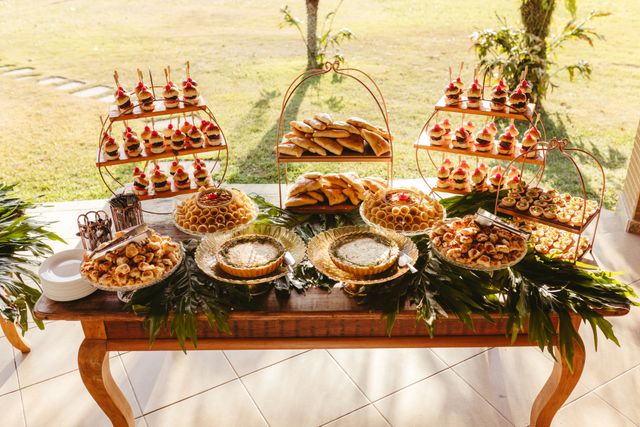
A fusion wedding menu combines flavours from different culinary traditions. It brings Indian spices together with global techniques to create dishes that guests may not have tasted before.
Fusion Wedding Menu: Sample Starters, Mains and Desserts
Fusion catering pairs Indian flavours with international dishes to create options that look exciting and taste different from traditional wedding food. Butter chicken pasta and paneer tacos are dependable starters, while tandoori momos combine Indian street food with East Asian techniques. Masala sliders offer an easy handheld main, and gulab jamun cheesecake finishes the meal by bringing a classic Indian sweet into a Western dessert format.
Fusion Wedding Menu: Ideal Celebrations, Presentation and Service
This style works especially well for youth-focused weddings, as younger couples often want a creative and modern menu. Balance still matters. Guests should recognise what they are eating without asking the chef to explain every course. Bhandarys Kitchen often creates Indian wedding menus around this idea and pairs familiar regional dishes with international twists without overwhelming guests with unfamiliar options.
Fusion Wedding Menu: Budget and Dietary Adaptations
Fusion catering usually costs between ₹1500 and ₹4000 per person, and creative menu options are the format’s biggest advantage. Fewer well-executed fusion dishes also leave a stronger impression than an overcrowded spread.
11. Vegetarian Wedding Menu
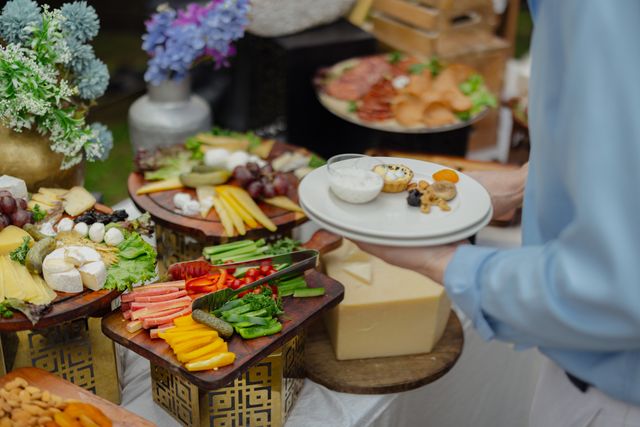
A vegetarian wedding menu no longer needs to rely on a few paneer dishes repeated throughout the buffet. Couples now create layered, multi-cuisine spreads that appeal to everyone, from children to elders.
Vegetarian Wedding Menu: Sample Starters, Mains and Desserts
Start with achari or malai paneer tikka, dahi ke kebab, and vegetable seekh kebab. A chaat or Amritsari kulcha counter adds variety. Main dishes should offer contrast instead of repetition. Include one paneer dish, such as shahi paneer or paneer lababdar, along with malai kofta or another premium preparation. A seasonal vegetable, dal makhani, and vegetable biryani complete the spread. Finish with rasmalai, jalebi-rabri, or a seasonal halwa.
Vegetarian Wedding Menu: Ideal Celebrations, Presentation and Service
This menu style works well for pure vegetarian households, Jain weddings, and multi-generational guest lists that want familiar flavours with global touches. Most weddings need a balanced spread of 6 to 8 starters, 2 to 4 live counters, 8 to 10 main-course items, and 4 to 5 desserts.
Vegetarian Wedding Menu: Budget and Dietary Adaptations
Choose one premium paneer preparation instead of several similar dishes, and use seasonal produce to keep the menu affordable without compromising on richness. Confirm Jain and vegan requirements before the tasting. Clearly identify dairy, ghee, and cream so the kitchen can prepare suitable alternatives ahead of time. Bhandarys Kitchen often plans Indian wedding menu lists around this balance of tradition and inclusivity.
12. Seasonal Wedding Menu
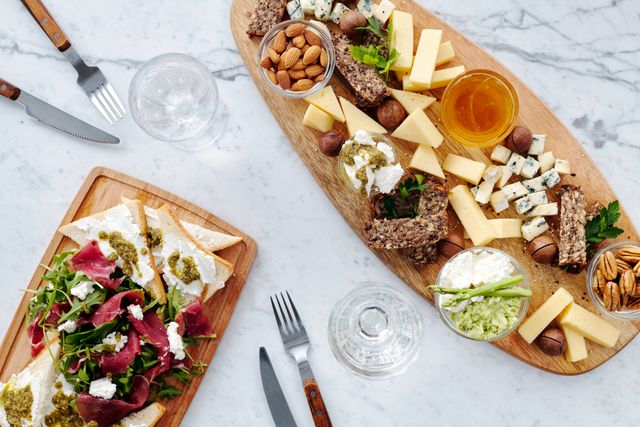
A seasonal wedding menu connects the food to the time of year, so the couple’s wedding date shapes much of the menu before they choose any dishes.
Seasonal Wedding Menu: Sample Starters, Mains and Desserts
Spring favours paneer tikka and fish fingers, plus chicken kebabs with mango-avocado salad. Shorshe Ilish or Kosha Mangsho can serve as the main course, followed by mango mousse or rosogolla. Summer moves toward chilled fruit platters, cold soups, and light curries such as chingri malai. Kulfi or sandesh adds a refreshing finish. Monsoon brings corn pakoras, khichuri with seasonal vegetables, and warm patishapta. Autumn pairs basanti pulao with nolen gur sandesh during the festive season. Winter calls for heartier dishes, and mutton chops, Kolkata-style biryani, and gajar ka halwa suit cooler weather. Grilled asparagus and lemon sorbet suit spring elsewhere, while beef stew and fruit cake define a winter wedding food menu.
Seasonal Wedding Menu: Ideal Celebrations, Presentation and Service
This approach suits couples who want their wedding reception food to feel tied to the occasion instead of generic. Live counters serving chaat, kebabs, or hot chai work especially well during cooler months. Hydration stations matter most in summer. Bhandarys Kitchen often builds Indian wedding menu lists around this approach and lets the calendar guide the spread.
Seasonal Wedding Menu: Budget and Dietary Adaptations
Local, in-season ingredients reduce costs and improve freshness. Vegetarian and non-vegetarian options should remain separate, and vegan dishes need their own line.
Comparison Table
|
Menu Style |
Sample Dishes | Ideal Celebrations | Service Style | Budget Range/Cost Considerations |
Dietary Adaptations |
| 1. Classic Wedding Menu | Starters: Prawn cocktail, bruschetta, warm soup Mains: Roast chicken, beef Wellington, salmon fillet Desserts: Traditional wedding cake, vanilla cheesecake, fruit tarts |
Upscale weddings, black-tie affairs, ballroom receptions | Wait staff serve guests restaurant-style with pre-selected choices. Plated dishes arrive artfully arranged, and three courses take about two hours to serve, with seven to ten minutes between courses. | Costs stay budget-friendly because portions and quantities are controlled. Service fees are higher because formal plating requires more labour and staff than casual styles. | Couples can offer one entrée with a vegetarian alternative, a short list of options, or let guests preselect through the RSVP. Add space on the RSVP card for dietary requirements. |
| 2. Formal Wedding Menu | Starters: Bisque, smoked salmon mousse, caviar, wild mushroom velouté with truffle cream Mains: Wagyu beef, veal, lobster tail, roasted chicken breast with cherry jus, pan-seared sea bass with saffron risotto Desserts: Soufflé, petit fours, chocolate cylinder, vanilla crème brûlée with seasonal berry compote |
High-end formal affairs that require a fine-dining atmosphere | Wait staff provide table service, and each setting includes an individual menu card. Cards list full course names in a traditional format, with a curated wine list and notes for each course. | Costs are higher than most other styles because of staffing needs. | Letter symbols work well: V for vegetarian, VE for vegan, GF for gluten free, DF for dairy free, and N for nuts. Place them after dish names with a legend at the base. Add a note asking guests with severe allergies to speak with the catering team. |
| 3. Simple Wedding Menu | One welcome drink, two starters (paneer tikka, chaat counter), one paneer dish, one dal, one vegetable curry, phulka, two rice options, two desserts, philtre coffee | Family weddings, intimate gatherings, daytime functions, morning muhurtham lunch, afternoon receptions | Buffet setup with five to six well-curated dishes rather than a sprawling spread | Budget buffet costs range from ₹4,640.92 to ₹6,328.53 per person. Brunch and lunch receptions cost 30% to 50% less than dinner events, and they are more budget-friendly than plated meals because they need fewer serving staff. | Limit protein choices to two, with one meat and one vegetarian option, to reduce waste and cost. Serve generous portions of rice, bread, and roasted vegetables, with protein as the highlight. |
| 4. Casual Wedding Menu | Starters: Sliders, charcuterie board, spring rolls, steamed bao buns, devilled eggs, mini grilled cheese with tomato soup Mains: Hog roast, pasta, grilled chicken, bratwurst and beer flights Desserts: Cupcakes, cookies, brownies |
Backyard weddings, outdoor celebrations, receptions where guests mingle rather than sit at assigned tables | Buffet or food trucks with self-serve stations and one staff member for every twenty-five guests. The dining experience feels relaxed. | Buffets cost ten to thirty percent more than plated dinners because they include multiple dishes and portions can vary. Staffing costs run about twenty percent lower than plated or family-style setups. | Add sliders, pasta, pizza, and fruit skewers as kid-friendly choices for younger guests. |
| 5. Rustic Wedding Menu | Starters: Butternut squash soup, apple and walnut salad, stuffed mushrooms, heirloom tomatoes with cold-pressed oils and basil Mains: Roast pork with apple chutney, beef stew, wild mushroom risotto; sides include roasted root vegetables, Brussels sprouts with bacon, creamy mashed potato Desserts: Pumpkin pie, apple crisp, spiced pear tart |
Barn weddings, countryside receptions, venues with timber and stone architecture | Family-style service with large platters passed between guests. Chefs sear proteins minutes before service. | Family-style dining costs between ₹4,219.02 and ₹7,172.34 per person. Seasonal ingredients help keep costs down. | Build vegetarian, vegan, and gluten-free choices into the menu so every guest feels included. |
| 6. Comfort Food Wedding Menu | Starters: Ham and cheese biscuits with sweet potato or edible flowers, clam chowder Mains: Corn on the cob, mac and cheese, creamy mashed potatoes with cheese/bacon/chives, fried chicken, fried chicken and waffles with syrup, meatballs, pasta station Desserts: Warm fruit cobbler with ice cream, cookies and milk |
Backyard receptions, low-key gatherings, weddings that want a home-cooked feel rather than a formal affair | Buffet or family-style setup that echoes a potluck gathering | Local grilled vegetables and seasonal fruit keep this style affordable. | Offer vegan meatballs for guests with dietary restrictions. |
| 7. Modern Wedding Menu | Italian station: Penne or fusilli with Alfredo, Arrabbiata, or pesto sauce Sushi station: Creative rolls, sashimi, steamed dumplings Taco/fajita bar, carving station, mac and cheese bar, slider station Desserts: Crepe station with Nutella/banana/strawberries, nitrogen ice cream |
Modern weddings, food-loving couples, receptions built around socialising rather than fixed seating | Multiple counters across the venue let guests wander and taste. Live cooking stations add interest. Use two to three stations for compact indoor halls and five to six for outdoor lawns. | Food stations cost between ₹4,640.92 and ₹8,016.14 per person because each counter needs extra staff. | Many couples pair stations with a late-night snack counter or interactive dessert display. |
| 8. Unique Wedding Menu | Starters: Wontons in miniature to-go boxes, gazpacho shooters, caviar canapés, crab cake bites, beef tartare, seared scallops Mains: Paella cooked live, poke bowl bar, teriyaki noodles Desserts: Panna cotta, macarons, savoury doughnut bar, charcuterie cones |
Foodie couples who want personality over tradition | Creative plating and unusual serving dishes create interest. Edible flowers can appear across salads or desserts, and custom signature cocktails add a personal touch. | Not mentioned | An inclusive vegan version can pair cold cucumber and avocado soup with pumpkin-stuffed ravioli and red fruit cheesecake. Request a tasting beforehand, then confirm that the caterer can accommodate allergies, cultural priorities, and specific dietary requests. |
| 9. Themed Wedding Menu | Royal palace theme: Shahi Tukda, Malpua with Rabri, saffron-infused Kheer Beachside: Chilled Kulfi, Falooda, Mango Shrikhand Romantic palette: Rose-petal-studded Gulab Jamuns American Fourth of July: Strawberry shortcake trifles in mason jars, churros, chocolate taco ice cream |
Couples who want an immersive experience tied to a specific aesthetic, such as boho-chic, tropical, or heritage-inspired celebrations | Desserts and mains match the colour scheme and cultural motifs. | Not mentioned | Sugar-free Sandesh, date-based laddoos, eggless cakes, and vegan Kheer made with almond milk make themed spreads inclusive. |
| 10. Fusion Wedding Menu | Starters: Butter chicken pasta, paneer tacos, tandoori momos, masala sliders Desserts: Gulab jamun cheesecake |
Youth-focused weddings and younger couples who want creative, modern options | Indian flavours blend with international dishes, but balance matters so guests still recognise each dish. | Fusion catering costs between ₹1,500 and ₹4,000 per person. Creative menu options are the main advantage. | Avoid too many dishes. A smaller selection of well-executed fusion plates makes a stronger impression than an overcrowded spread. |
| 11. Vegetarian Wedding Menu | Starters: Achari or malai paneer tikka, dahi ke kebab, vegetable seekh kebab, chaat or Amritsari kulcha counter Mains: One paneer dish (shahi paneer or paneer lababdar), malai kofta, seasonal vegetable, dal makhani, vegetable biryani Desserts: Rasmalai, jalebi-rabri, seasonal halwa |
Pure vegetarian households, Jain weddings, multi-generational guest lists | A balanced spread includes six to eight starters, two to four live counters, eight to ten main-course items, and four to five desserts. | Choose one premium paneer preparation instead of several like dishes, and use seasonal produce to keep the menu budget-friendly. | Confirm Jain and vegan requirements before the tasting. Clearly identify dairy, ghee, and cream so the caterer can prepare suitable alternatives in advance. |
| 12. Seasonal Wedding Menu | Spring: Paneer tikka, fish fingers, chicken kebabs, mango-avocado salad, Shorshe Ilish or Kosha Mangsho, mango mousse, rosogolla Summer: Chilled fruit platters, cold soups, light curries (chingri malai), kulfi, sandesh Monsoon: Corn pakoras, khichuri with seasonal vegetables, warm patishapta Autumn: Basanti pulao, nolen gur sandesh Winter: Mutton chops, Kolkata-style biryani, gajar ka halwa |
Couples who want reception food rooted in the season rather than a generic menu | Live counters for chaat, kebabs, or hot chai suit cooler months. Hydration stations matter most during summer. | Local, in-season ingredients keep costs down and improve freshness. | Run vegetarian, non-vegetarian, and vegan lines separately. |
Key Takeaways
Choose a menu style that reflects your celebration, venue and guests while keeping service, budget and dietary needs practical.
- Match your menu and service style to the wedding atmosphere: plated meals suit formal events; buffets, sharing platters and stations encourage relaxed mingling.
- Prioritise a focused, well-executed selection over an overcrowded spread; fewer standout dishes reduce waste, protect budgets and leave stronger impressions.
- Use seasonal, locally sourced ingredients to improve freshness, lower costs and make your menu feel naturally connected to the wedding date.
- Collect dietary requirements through RSVPs, label dishes clearly and confirm allergen, vegan, vegetarian and cultural options with your caterer before finalising.
- Add personality through interactive stations, fusion flavours, themed desserts or signature drinks, while keeping enough familiar choices for every generation.
Conclusion
Whichever of these twelve styles speaks to you, the right wedding menu comes down to three things: who’s celebrating, what the venue allows and how much warmth you want guests to feel in each dish. Couples should avoid overcrowding the spread because a focused, well-executed menu beats an extensive one every time. Pairing tradition with personal touches, such as a fusion starter, a themed dessert or a seasonal main, creates a wedding meal that guests will remember. Couples can work closely with caterers like Bhandarys Kitchen to adapt these ideas to their budget and guest list.
FAQs
Q1. How do you choose the right wedding menu style?
Match the menu to your budget, venue and guests’ preferences. Classic or formal menus suit elegant receptions, while casual, rustic and comfort food menus work well for relaxed celebrations.
Q2. What are five popular wedding menu styles?
Classic, formal, casual, rustic and modern are five options. They range from traditional plated meals to shared seasonal dishes and interactive food stations.
Q3. How should you word a wedding menu card?
Group dishes under clear course headings and use straightforward dish names. Add dietary symbols with a small key, and ask guests with severe allergies to speak to the catering team.
Q4. Which dishes should a wedding menu include?
Include starters, mains and desserts, with suitable vegetarian alternatives. A classic selection could feature bruschetta, roast chicken or mushroom risotto, followed by cheesecake or fruit tarts.
Q5. How can you keep a wedding menu affordable?
Choose fewer, well-prepared dishes, use local seasonal ingredients and limit protein choices. A brunch or lunch reception can also cost less than an evening meal.