Brahmin wedding traditions do not need to compete with live counters. Freshly made dosas or a cup of philtre coffee can delight guests and keep your celebration’s heart intact.
Every family follows its own Brahmin wedding traditions, from regional recipes and ingredient rules to the carefully sequenced banana-leaf meal. Modern guests also value choice and freshness, especially when counters respect sattvic priorities and dietary needs.
This piece explains how to preserve the customs that matter, choose familiar live stations, and manage timing, queues, hygiene, and service without disrupting the ceremony.
Start with the Brahmin Wedding Traditions Your Family Follows
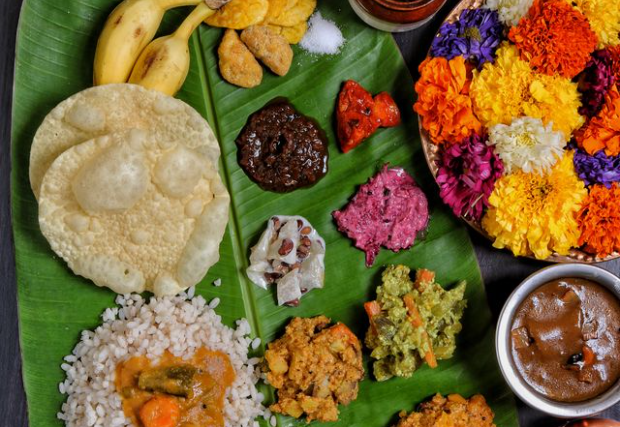
Your menu planning should start at home with the people who understand your family’s customs best. Brahmin wedding traditions differ among Tamil Iyer, Tamil Iyengar, Kannada, Telugu, and Palakkad families. Dishes may look familiar, but ingredients, ritual-day restrictions, and serving order can vary. Treat your family’s approved practise as the menu brief for every cook and server.
Confirm regional customs and ingredient rules with the family
Plan a menu discussion with parents, grandparents, senior relatives, and the priest if your family prefers. Ask them to identify the dishes expected separately for the muhurtham meal, breakfast, and reception. A written record helps prevent last-minute changes in a busy kitchen.
Begin with the regional style. An Iyer family may request arachuvitta sambar, vatha kuzhambu, and paruppu usili. An Iyengar family may prefer puliyodharai and kadamba sambar. A Palakkad meal may include puli inji, avial, kalan, olan, or erissery. These examples help you ask clear questions instead of assuming that one menu suits every Brahmin household.
Confirm the ingredient rules for each function next. Many families choose a sattvic vegetarian meal and exclude onion and garlic. Some also avoid root vegetables on the homa or muhurtham day. Confirm each item, such as potato, carrot, mushroom, packaged sauces, cooking oils, ghee, and dairy products. This matters when you select live-counter dishes because a sauce or topping may not meet the family’s approved ingredient rules.
Ask how your family observes madi, the discipline of ritual cleanliness in cooking. This may require freshly prepared food, cleaned vessels, and specific kitchen practices. Share the written rules with the whole food team well before the event. Clarify arrangements for Jain guests or relatives with dietary requirements if your family requests separate preparation and service equipment.
Keep one approved document with the menu, permitted ingredients, cooking instructions, and the person authorised to approve changes. Send it to the family to review about a week before the wedding. Everyone will then have a shared reference during the ceremonies, and you can add live counters later in a way that suits the occasion.
Keep the banana-leaf meal and its serving order intact
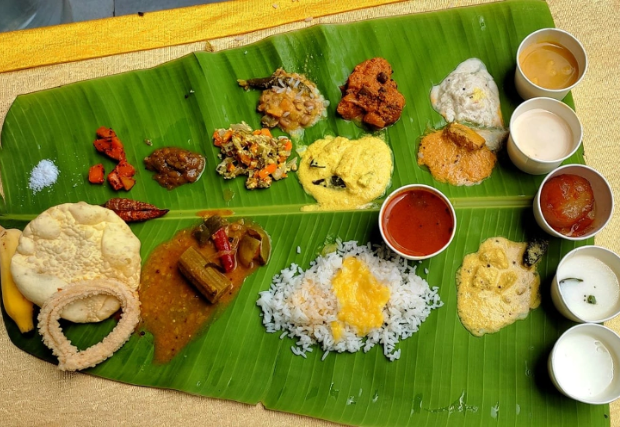
The banana-leaf meal remains the central dining experience in many Brahmin wedding traditions. Keep it as a seated, batch-based service timed around the muhurtham instead of treating it as one of several food stations. Guests can enjoy the traditional meal in the order your family recognises, especially the hot rice courses that need prompt service.
Confirm the leaf placement and the first dishes served. Many Tamil and Kannada traditions place salt, pickle, and accompaniments along the leaf’s upper section. Vegetable preparations, sweets, and savouries follow. Servers then bring rice in rounds with ghee and paruppu, sambar, rasam, and curd or buttermilk. Payasam may arrive early or later, based on community custom.
Assign each server one dish, its placement, portion size, and refill route. This creates a calm, orderly meal, especially when elders need assistance. A trained team can serve 600 guests in about 40 minutes; a poorly coordinated service can take 90 minutes. Ask the supervisor to inspect the first few leaves in person and correct any placement or timing issues straightaway.
Keep hot courses moving in sequence and serve smaller first portions with refills. Guests can enjoy each preparation at the right temperature, and staff can avoid overcrowding the leaf. Keep live counters separate from the main meal so the banana-leaf service retains its familiar rhythm.
Decide Where Live Counters Can Add Value
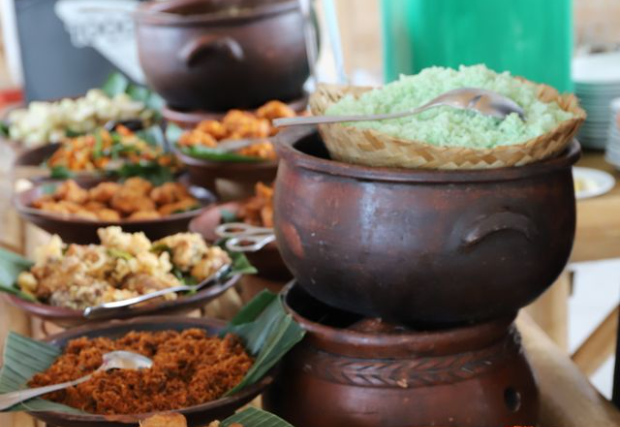
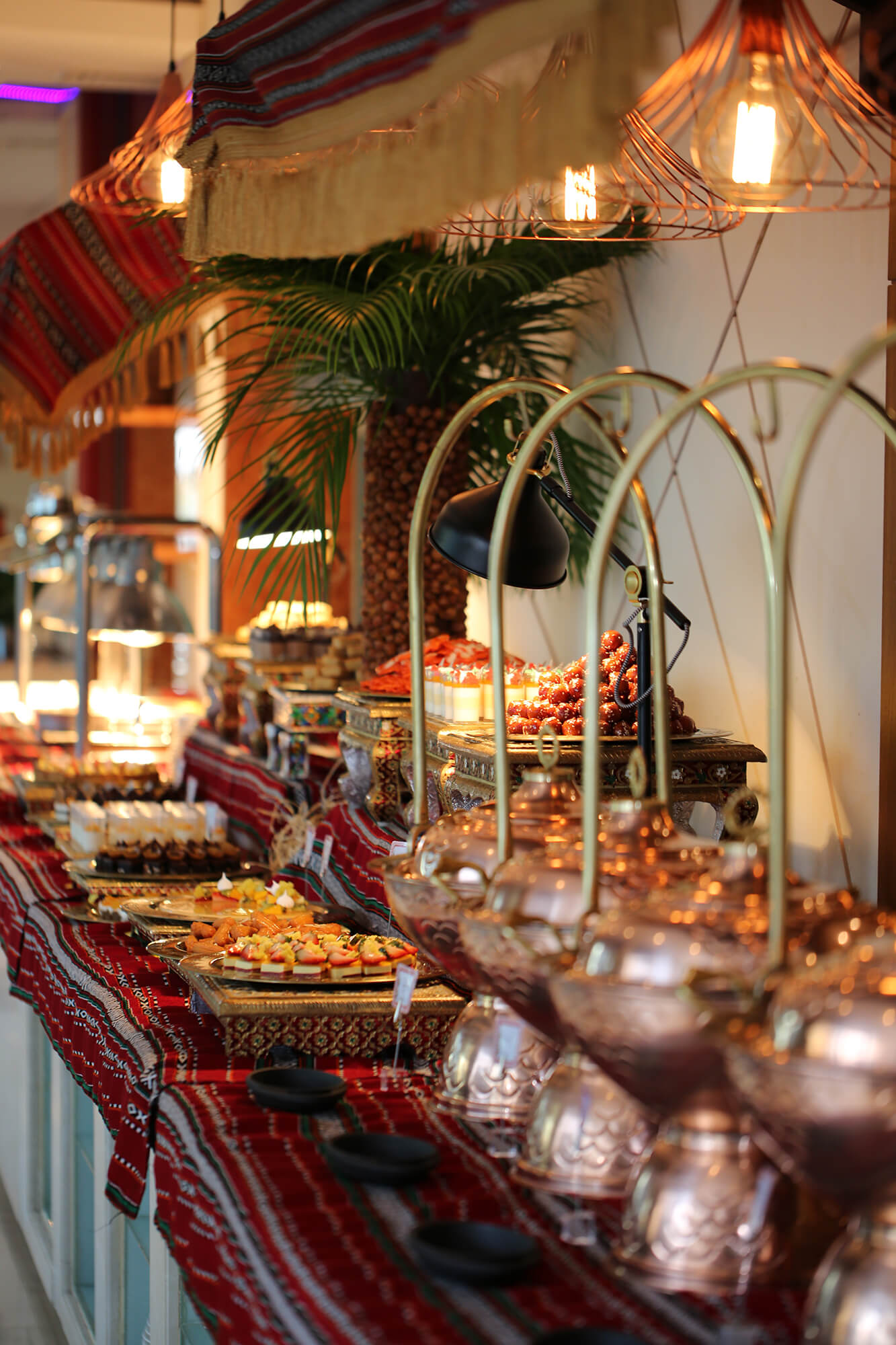
Once the family approves the main meal, decide which parts of the wedding would benefit from made-to-order food. Live counters work best as an addition to the celebration, not a replacement for banana-leaf service. They give guests another option during waiting periods, informal gatherings and post-meal conversations, while the ceremonial meal keeps its recognised place.
Map each event in the schedule first. A morning muhurtham with a tightly timed seated lunch may not need a nearby counter. An evening reception, by contrast, often has guests arriving at different times as they greet relatives and wait for photographs. A live station can serve a warm, fresh item during this period without changing the formal meal.
Pre-wedding occasions can also suit a smaller setup. A counter at a mehendi, family gathering or reception, to name just one example, can create a relaxed meeting point for relatives who have not met before. Guests can choose an item and talk while they wait instead of moving through a silent buffet line. This works especially well when both families include colleagues, friends and relatives from different regions.
Fresh preparation gives certain foods the right texture and temperature. A dosa served from the tawa stays crisp, while food held for too long can lose its texture. Fried snacks also stay firmer when chefs cook them in short batches, and guests can receive a fresh sweet while it is warm. Place counters where guests will notice this difference instead of repeating dishes that travel well in the main service.
Think about guest priorities before choosing the occasion. Older relatives may prefer familiar South Indian items that need little explanation, while younger guests may enjoy a counter where they can choose spice levels or toppings. Guests with vegetarian, vegan, gluten-free or Jain requirements can request suitable preparation if the counter has clear instructions. This flexibility works only if the family approves the ingredients and chefs follow the agreed recipe.
Space determines whether a counter improves the event or creates crowding. Each counter needs a work surface, space for the chef and a clear queueing area. A compact indoor hall calls for two carefully chosen stations. An outdoor lawn can accommodate five or six counters if they are spaced apart. Keep counters away from the dining entrance, ritual area and elders’ routes so queues do not disrupt movement.
Assess how quickly each item can be served. Pani puri can be assembled at once, and pasta often takes one to two minutes per portion. A made-to-order wood-fired pizza may take five to eight minutes, which can create a long queue if many guests arrive together. Choose faster dishes for peak arrival periods, or assign enough chefs to a popular counter to keep service moving.
The setting should guide the service style. A traditional Brahmin wedding can include counters that continue the familiar food story, while a formal reception may need a more restrained selection. Avoid adding cuisines just because they seem fashionable. Too many stations divide attention, add unnecessary choice and may draw guests away from the meal your family planned with care.
Ask one practical question about every proposed counter: does it meet a guest’s need at this point in the day? It may provide a light bite before dinner, a fresh treat after the meal or a familiar option for guests who arrive late. Leave it out if the answer is unclear. A focused selection will feel orderly, respect Brahmin wedding traditions and give later menu choices a clear purpose.
Choose Live Counters That Fit Your Wedding Menu
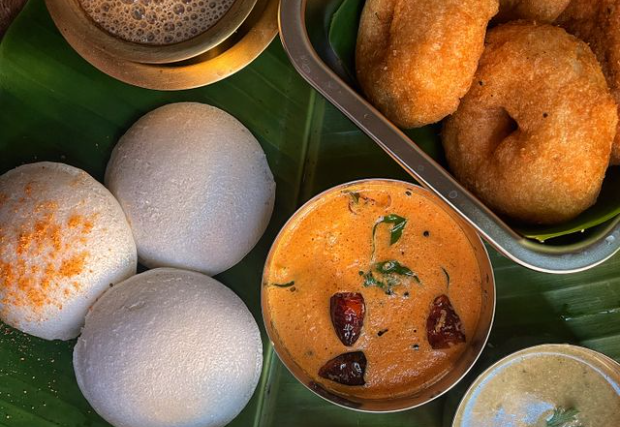
Select each station based on whether its flavours suit the approved menu, not on how impressive it appears alone. A short selection centred on regional taste feels more natural for Brahmin wedding traditions than a row of unrelated stalls. Match each dish, accompaniment and final touch with the ingredient permissions agreed in writing.
Dosa, appam and paniyaram to provide familiar flavours
Choose a live dosa station for a familiar, made-to-order option at breakfast, a daytime reception or an evening tiffin. Keep the menu limited. Plain, masala or rava dosa with sambar and approved chutneys gives guests enough choice without making the counter feel like a separate buffet.
Appam with vegetable stew suits families who prefer coconut-based flavours, while kuzhi paniyaram provides small portions that are easy to serve. Both options maintain the meal’s South Indian character, especially when you have recipes that use the same approved oils, dairy and seasonings as the main kitchen. If you add idli or vada with dosa, keep them ready at the station so the cook can focus on the griddle.
Chaat and pasta with family-approved ingredients
A chaat counter can suit a reception if the family approves every component. Limit the selection to pani puri, bhel, sev puri or aloo tikki with specified chutneys, curd, spice blends and toppings. A regional chaat linked to a family’s hometown can add a personal touch. Leave out items that depend on unapproved packaged sauces or ingredients.
Pasta can suit guests who prefer a milder option, especially when you have a reception with guests of different ages. Offer two pasta shapes and two sauces, such as tomato-based and white sauce, and control the vegetables and toppings. Request eggless pasta where needed. This gives guests some choice while maintaining the flavour boundaries set for the event.
Fresh jalebi and philtre coffee to finish the meal
A fresh jalebi counter suits the period after the main meal or an evening reception. Guests can have a warm serving with rabri if the pairing meets the menu rules. Place philtre coffee beside the counter or in the finishing area. Philtre coffee’s flavour suits a muhurtham lunch, tiffin or post-dinner gathering.
Keep both counters simple. One dessert and a coffee service give guests a satisfying finish without competing with payasam, sweets or fruit served earlier. Serve smaller portions, replenish jalebi in batches and prepare coffee close to service so each guest receives it warm and fresh.
Plan Counter Timings and Guest Flow Around the Ceremonies
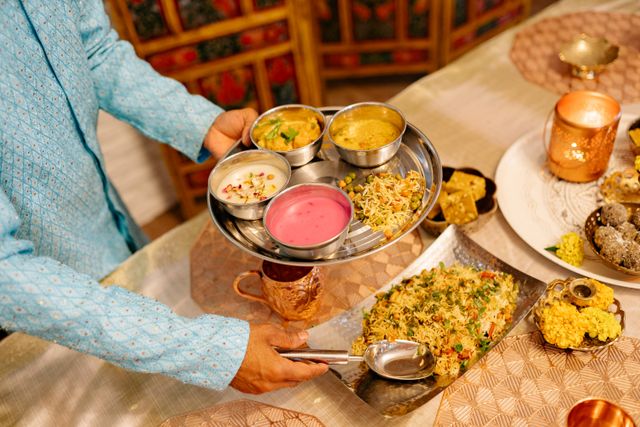
Place live stations around the programme instead of the dining leaf service. Brahmin wedding traditions require the seated meal to remain at its announced time, while counters should serve guests during arrival periods, breaks between ceremonies and the reception. A snack station can open as guests greet the families. Dessert and coffee can follow the meal. This sequence lets the formal service continue without cooks competing with guests for space.
Open counters without delaying the traditional meal
Agree on a timed opening plan with the coordinator and chef. Keep the counter closed during the main banana-leaf seating. Reopen it after the final batch clears or at the time the reception begins. Open stations in stages instead of all at once. Start with welcome snacks, then serve the main meal during the event’s middle portion. Offer desserts toward the end. This schedule prevents guests from joining a queue when they should be seated for a ritual or meal.
Calculate capacity based on the busiest hour rather than the total invitation count. A live counter usually serves 75 to 100 guests per hour. One counter per 75 guests helps prevent a single line from slowing the evening. Duplicate the most requested dosa or chaat station when attendance is high instead of adding choices with less interest. Bhandarys Kitchen estimates that dosa produces about 100 plates an hour, while chaat produces 150. Tandoor serves 70 plates an hour, and pasta serves 60.
Allow space for queues and easy access for older guests
Give each station an 8-by-6-foot footprint and allow three feet behind the chef. Place counters around the venue perimeter rather than in a row. Allow two metres of standing room in front. Keep stations six metres from the main buffet line and provide access from two sides so queues divide naturally. Keep entrances, ceremony routes and seat access clear. Place dosa counters near a door or exhaust point. Elders need clear routes, signs and staff who can assist upon request.
Agree the Budget and Service Plan with Your Caterer

Turn the approved menu into a quote before you pay the deposit. This protects Brahmin wedding traditions and shows the cost of each station.
Compare chef, equipment and setup costs
Request a separate line for each counter that covers chef and helper labour, ingredients and toppings, equipment and fuel, service ware, transport, taxes, and running time. A live chaat station for 500 guests often costs ₹18,000 to ₹22,000 to run and may be quoted at ₹35,000 to ₹45,000. Compare flat-hire terms against per-plate additions, then note who provides power and handles the setup.
Confirm separate utensils, safe food storage and allergen controls
Give the chef your approved ingredient sheet. Require separate preparation surfaces, utensils, and labelled containers for restricted recipes. Confirm that chilled dairy or rabdi remains in insulated stainless-steel dispensers at 3°C during service. Ask how counter labels identify allergens, and make sure staff use the assigned tools throughout.
Match cooking capacity to guest numbers and limit food waste
Set quantities based on attendance and the service window. One cooked counter serves around 80–120 guests an hour, while a chaat counter serves 140–170. Add duplicate high-demand stations instead of expanding the menu. Small batches and made-to-order portions reduce unused food. Bangalore’s weddings discard 943 tonnes annually.
Key Takeaways
- Begin with a family-approved menu brief covering regional customs, sattvic ingredients, ritual-day rules and authorised changes for every caterer and server.
- Protect the banana-leaf meal as the ceremonial centrepiece: preserve its serving order, batch timings and hot rice courses, rather than replacing it with counters.
- Add only familiar, approved live counters—such as dosa, appam, chaat, jalebi or philtre coffee—where they meet a clear guest need.
- Schedule counters around arrivals, ceremony intervals and post-meal socialising; keep them closed during seated dining to prevent disruption and crowding.
- Match counter capacity, space and staffing to peak attendance; use separate utensils, clear allergen controls and small batches to ensure safety and reduce waste.
Conclusion
Your wedding menu can honour cherished Brahmin wedding traditions while offering guests fresh, enjoyable choices. Family-approved customs, ingredient rules and the banana-leaf serving order are the foundations of the meal. Thoughtfully selected live counters can add freshness and variety. Careful timing, clear queue layouts and separate preparation methods keep the formal meal calm, safe and enjoyable for every guest. Choose stations that suit your family’s priorities and the occasion. Your celebration will then feel rooted in tradition while welcoming every generation. Keep the selection focused, explain the plan clearly and let each meal reflect your family’s values with care.
FAQs
Q1. What does a live food counter offer at a wedding?
A live counter is a station where chefs prepare or finish food to order. Guests can enjoy fresh dishes, such as dosa or jalebi, with family-approved toppings and accompaniments.
Q2. Which Brahmin wedding customs should guide the catering?
Confirm your family’s regional dishes, ingredient restrictions and ritual cleanliness practices. Preserve the seated banana-leaf meal and its customary serving order, with live counters as an addition rather than a replacement.
Q3. How can live counters make a wedding reception more enjoyable?
They give guests fresh food and a relaxed place to mingle during arrivals or while waiting for photographs. Offer a focused selection without drawing guests away from ceremonies or the traditional meal.
Q4. Which live food stations suit a Brahmin wedding?
Dosa, appam, paniyaram, fresh jalebi and philtre coffee are familiar choices. Chaat and pasta can also work if all ingredients, sauces and toppings meet your family’s dietary rules.
Q5. When should live counters open around the traditional meal?
Use them during arrivals, breaks between ceremonies or the reception. Keep them closed during the main banana-leaf seating, then reopen after the final batch of diners has finished.